Make Every Minute Move
From Rush to Flow: Smarter Trip Starts


Voice, Eyes Up, Hands Free
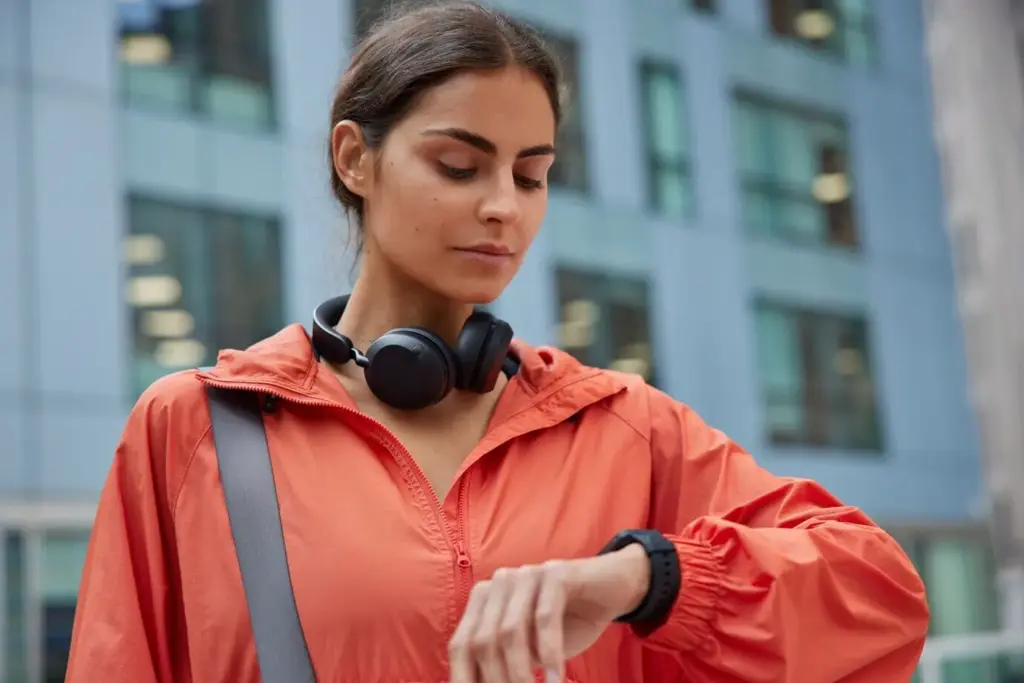
Transit Intelligence You Can Feel
Wellbeing on the Move
Micro‑Breaks That Fit Between Steps
Between platform arrivals and elevator rides, you receive subtle cues for posture resets or calf stretches, designed to be invisible to others and easy to complete in under a minute. They are optional and context‑aware, disappearing in crowded or unsafe spaces. Over time, these tiny practices reduce stiffness, headaches, and end‑of‑day slump. The assistant tracks improvements privately, celebrating consistency without gamified pressure. The focus remains humane: small kindnesses that honor your body while keeping your schedule intact.
Soundscapes That Reduce Stress
Noise is a hidden tax on attention. Your assistant shapes the commute soundscape—recommending a five‑minute focus track before difficult meetings, or ambient layers that mask clatter during underground transfers. If a call is likely mid‑journey, it suggests a quieter carriage or alternative route. Music transitions align with walking pace to maintain gentle momentum. The outcome is subtle, felt rather than noticed: you arrive clearer, calmer, and more present, with your mental resources preserved for the moments that matter most.
Gentle Time Protection
When colleagues try to squeeze in last‑minute requests as you travel, the assistant guards the margins that keep your day humane. With your permission, it auto‑replies with accurate ETAs and suggests realistic meeting adjustments, defusing friction. It nudges you to leave five minutes early when history shows you benefit, and quietly buffers key arrivals. By treating your calendar as a boundary rather than an endless container, it helps you keep promises to others without breaking promises to yourself.
Privacy You Can Trust
On‑Device Intelligence with Selective Sync
Many optimizations do not require cloud storage. Your phone can compute preferred routes, recognize routine stops, and handle voice understanding locally. When syncing helps—like sharing anonymized congestion insights—you opt in explicitly. Encryption, hardware‑backed keys, and transparent logs reinforce confidence. If you switch devices, you choose which elements travel with you. This architecture shrinks data exposure while preserving utility, proving that smart assistance and strong privacy can coexist, benefiting both individuals and the broader transportation ecosystem.
Federated Learning that Respects Boundaries
Instead of collecting everyone’s raw data centrally, federated learning trains models across many devices, sending only aggregated updates. Your patterns help the community without revealing personal journeys. Combined with differential privacy and rate‑limiting, this approach prevents re‑identification attacks while still capturing seasonal shifts and emergent bottlenecks. As reliability improves, so does participation, creating a healthy loop where respectful design encourages contribution and contribution powers better guidance for all travelers, including those navigating infrequent routes or special events.
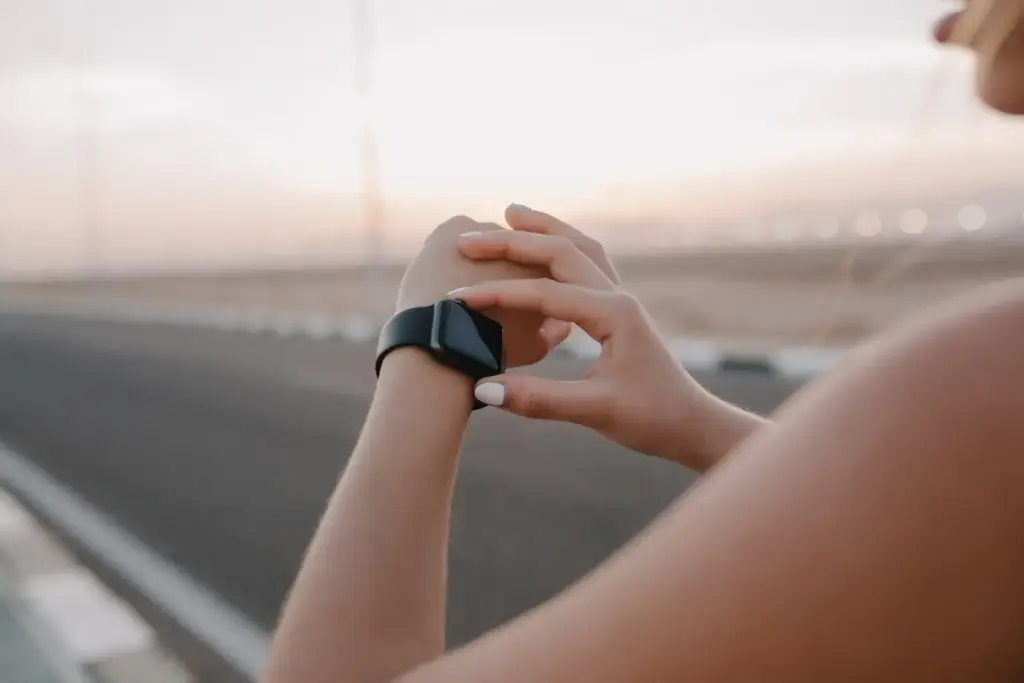
Greener Paths, Happier Cities
Resilience When Signals Fade
All Rights Reserved.