Small Sensors, Big Shifts: Smarter Habits on Your Wrist
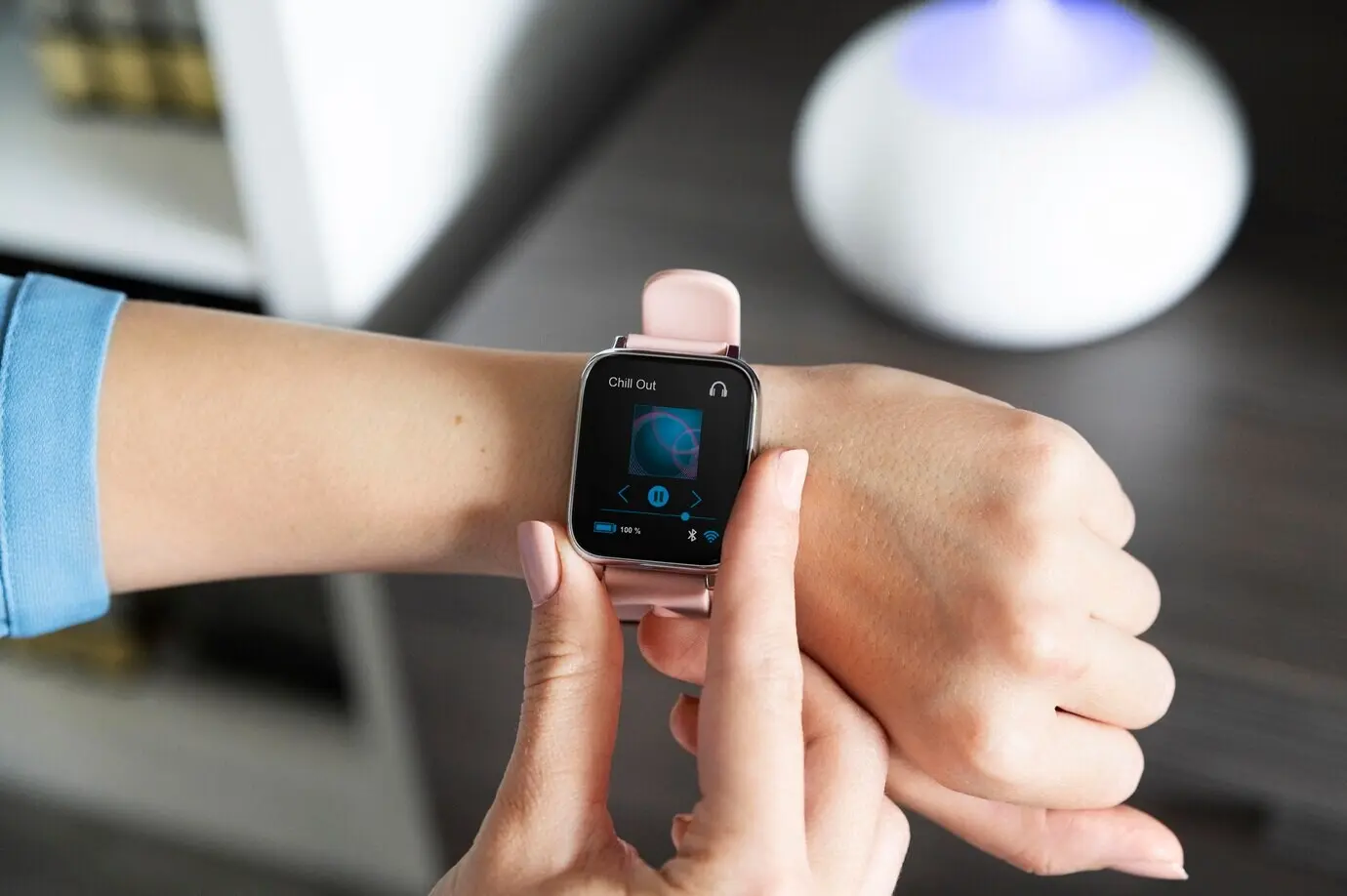
Today we explore AI on Wearables to Automate Daily Habits, turning tiny wrist computers into quiet helpers that reduce friction and free attention. Imagine morning lights easing on after restorative sleep, water reminders adjusting to afternoon heat, or a focus timer starting when your walk ends. We will blend practical design tips, behavior science, and real-world integration ideas so you can build or choose automations that feel supportive, respectful, and delightfully invisible. Share your questions, subscribe, and help shape the next iteration of this journey together.

How Wearable AI Sees Your Day

Your wrist, finger, or pocket carries a constellation of sensors that sketch a living portrait of routines without demanding your constant attention. Accelerometers, gyroscopes, optical heart-rate sensors, microphones, and GPS collaborate with learning algorithms that decode patterns and context. Instead of nagging, the best systems quietly anticipate what helps most. Understanding this invisible process empowers you to decide what should be automated, when human judgment must intervene, and how to align predictions with the way you actually live, work, and recover.

Designing Automations That Actually Stick

Sustainable change grows from small, timely nudges that reduce friction rather than command attention. Thoughtful automation bridges intention and action using context-aware triggers, clear affordances, and gentle reinforcement. The goal is to convert fragile motivation into reliable routines by removing effort at the exact moment it matters. Precision timing, forgiving defaults, and the ability to pause or silence without guilt preserve autonomy. When people feel respected, adoption rises, attrition drops, and the wearable quietly becomes an empowering partner instead of another demanding notification stream.

Contextual Triggers

The best prompt lands when your situation already aligns with the intended action. If your watch recognizes you are walking toward the kitchen after patio time on a hot day, a hydration suggestion feels obvious. If a calendar slot ends and your heart rate steadies, launching a focus session matches your mental state. Triggers tied to location, activity, social context, and energy patterns remove guesswork. You feel seen, not surveilled, because the prompt mirrors your reality and arrives with respectful timing rather than constant interruptions.

Frictionless Actions

Automation should smooth the path so doing the right thing requires almost no effort. A one-tap hydration log, an auto-started workout when the treadmill spins, or a focus mode that toggles when headphones connect. Clear, reversible controls keep agency intact, while sensible defaults prevent accidental commitments. Visual micro-cues on the watch face, subtle haptics, and concise confirmation strengthen confidence. When the next step is obvious and lighter than procrastination, consistency improves naturally, making adherence feel less like discipline and more like momentum that carries you forward.
Health and Productivity, United

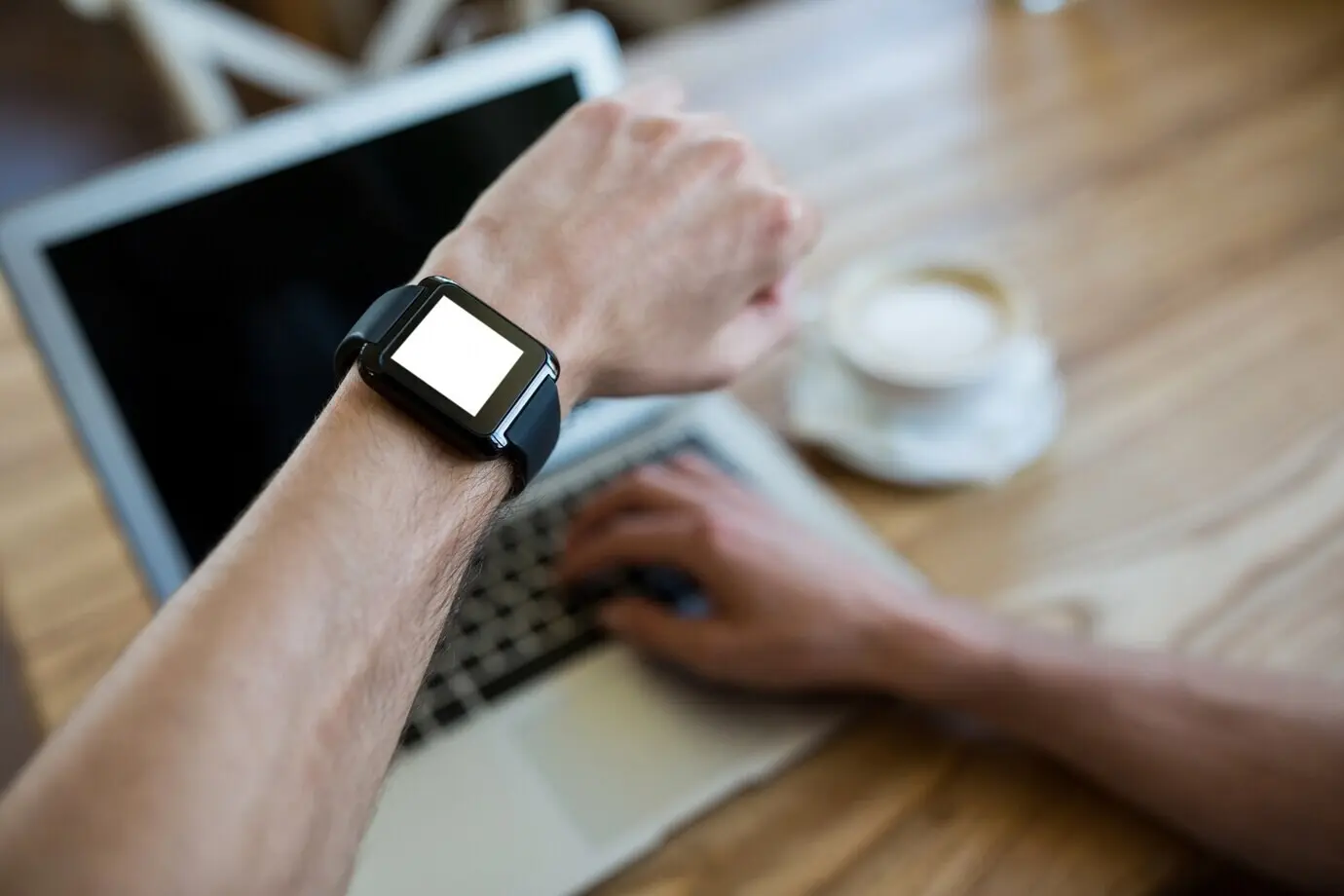
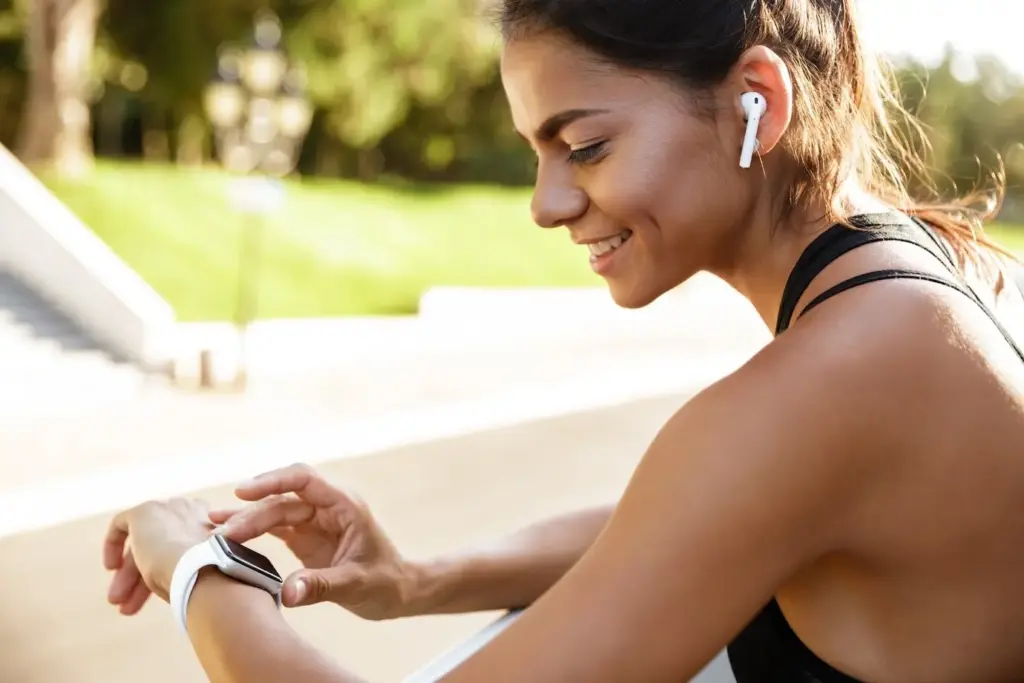
Daily life does not split neatly into fitness and work. Wearable intelligence should bridge the two, shaping mornings based on sleep quality, timing breaks through stress signals, and arranging task difficulty around energy rhythms. Rather than chasing maximal output, the aim is sustainable pace and joyful consistency. When hydration improves concentration, or movement breaks sharpen writing, the entire system becomes self-reinforcing. Thoughtful automations align wellbeing with results, cutting wasteful decisions while honoring limits. The outcome feels humane: better focus, steadier health markers, and more time for meaningful pursuits.

Privacy, Consent, and Trust by Design

Trust is earned when controls are visible, explanations are plain, and your data never feels trapped. People should see what signals drive each automation, approve sensitive uses, and withdraw consent without losing basic functionality. On-device inference and encrypted sync reduce exposure, while data minimization avoids hoarding. Transparent logs clarify what triggered actions and why, preventing mystery. When safeguards are designed from the outset, adoption grows, experimentation feels safe, and long-term use follows naturally because the system treats personal rhythms and boundaries with consistent, verifiable respect.

Integrations That Do the Heavy Lifting
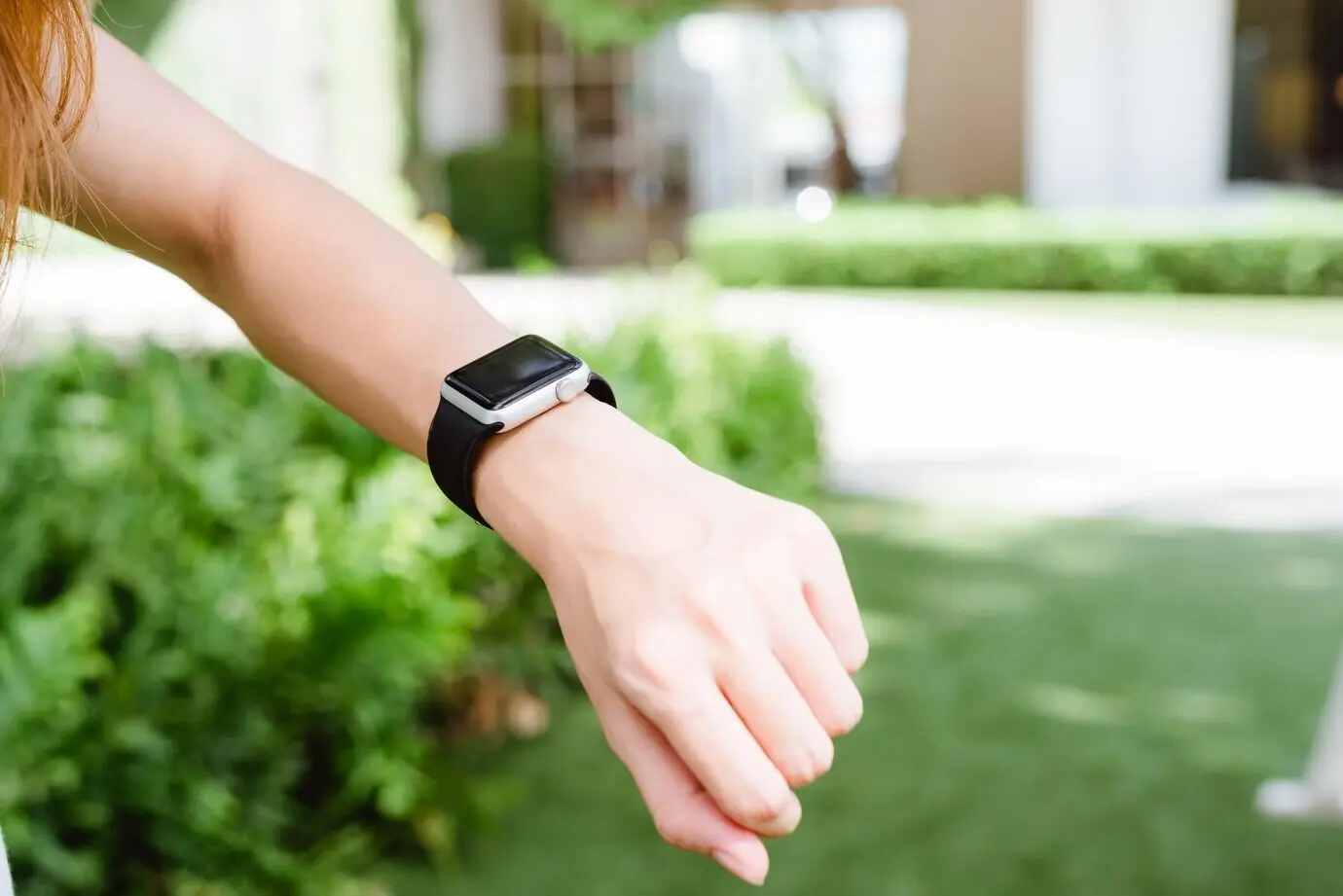
Real automation stretches beyond the watch face. When wearables coordinate with calendars, notes, task managers, and smart-home devices, they convert detection into tangible assistance. A commute pattern can pre-load meeting notes, a late workout can nudge bedtime lights warmer, and a hydration goal can appear on a kitchen display. Open standards prevent lock-in, while thoughtful guardrails prevent runaway chains. The art lies in connecting just enough systems to remove toil without creating confusion, making daily life feel orchestrated yet calm, personal, and fully reversible when plans change.

Measuring Impact Without Killing Joy

Metrics should illuminate, not dominate. Rather than obsessing over perfect streaks, measure whether automations free attention, improve energy, and reduce unnecessary decisions. Pair lightweight numbers with reflective notes to capture subtle wins like calmer evenings or easier context shifts. Personal experiments validate which nudges truly help. If something adds pressure, pause it. The goal is meaningful progress that fits your life, not flawless dashboards. By balancing indicators with compassion, you maintain momentum and keep the system supportive, humane, and aligned with what genuinely matters day to day.
Murupuvomizaza
Privacy Overview

This website uses cookies so that we can provide you with the best user experience possible. Cookie information is stored in your browser and performs functions such as recognising you when you return to our website and helping our team to understand which sections of the website you find most interesting and useful.