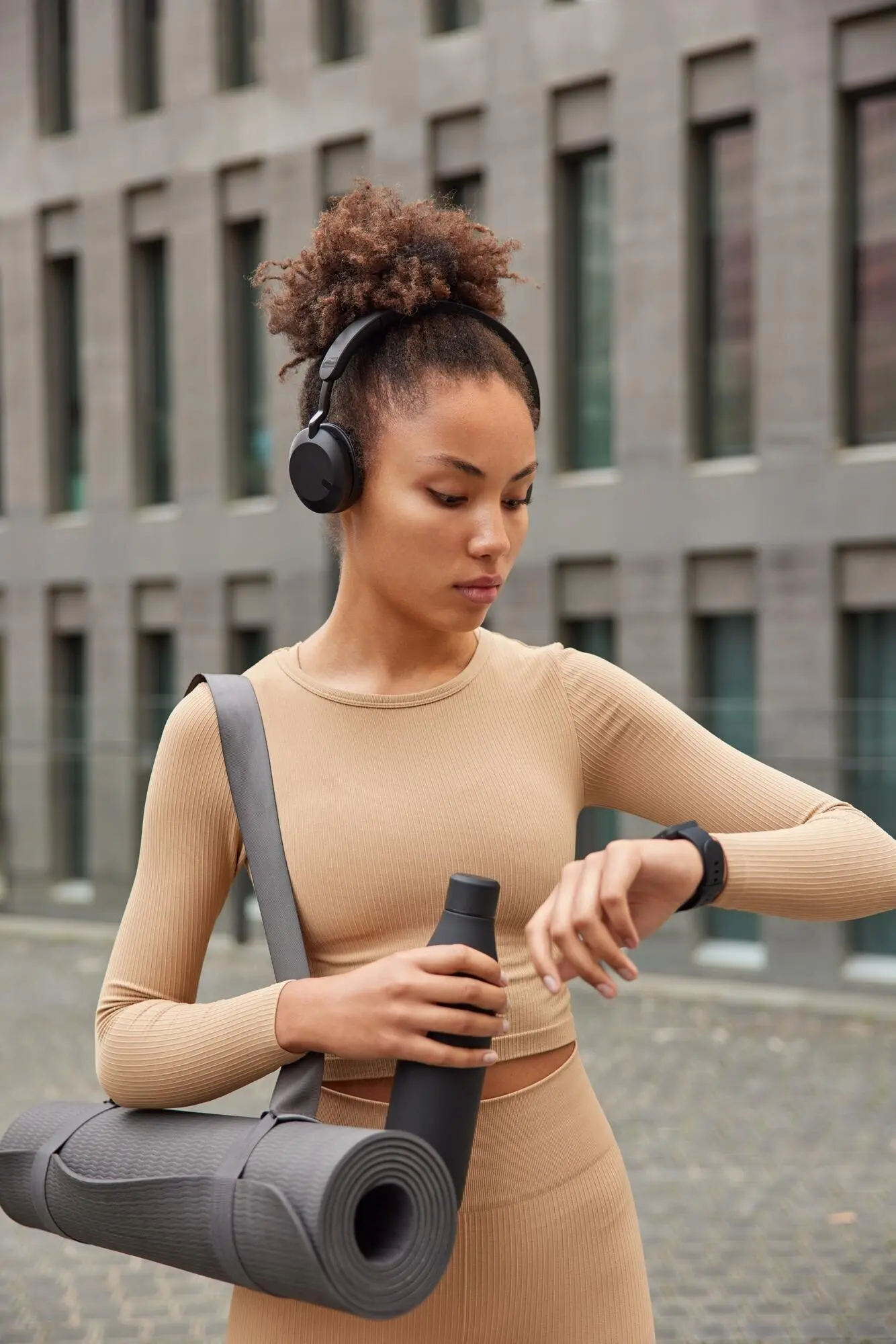
Make Every Minute Move
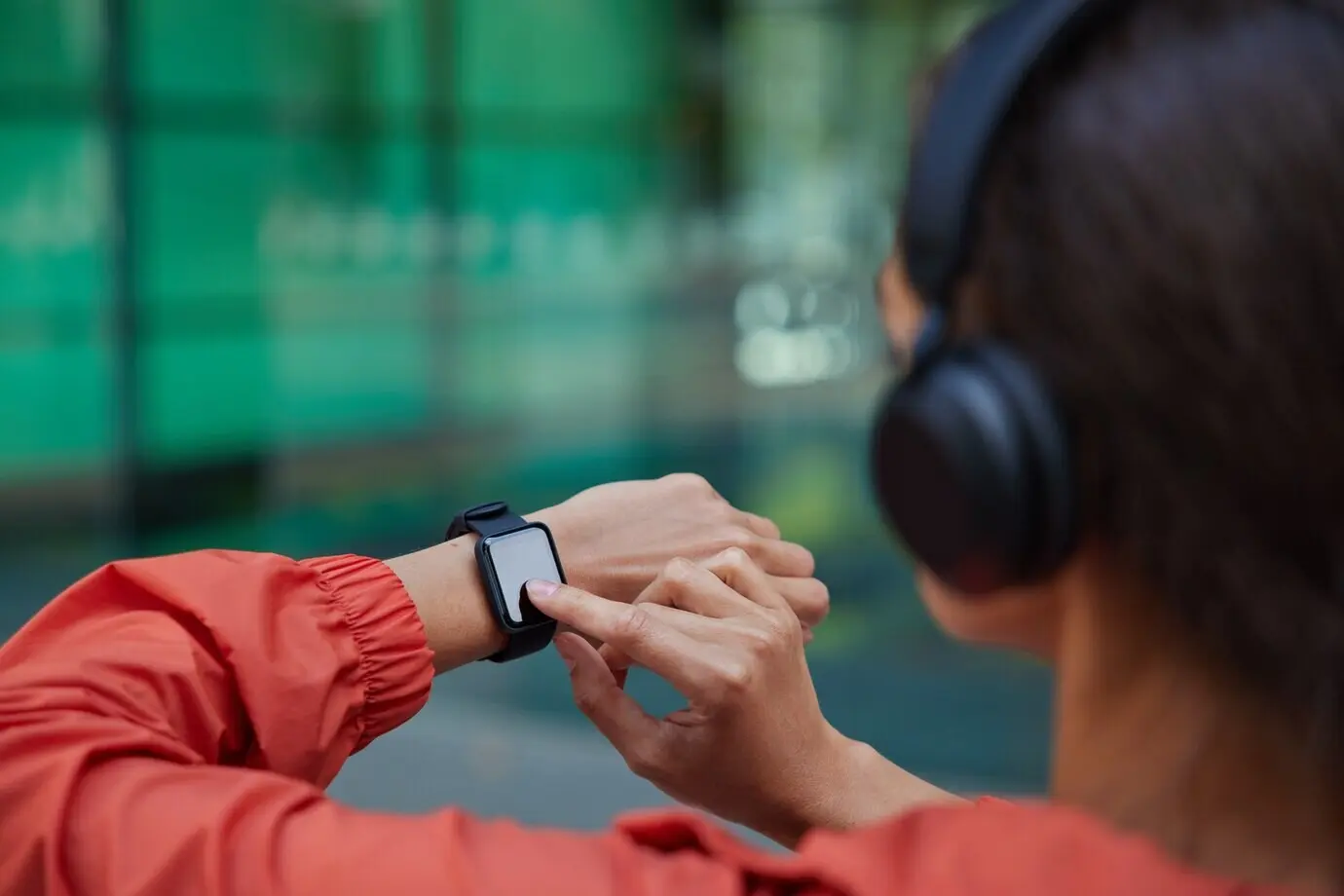
Today we explore how mobile AI assistants streamline commutes by turning scattered plans into synchronized departures, minimizing delays with predictive routing, and transforming dead travel time into focused, calm moments. Expect practical tips, real stories, and clear steps that help you arrive earlier, safer, and less stressed, while keeping your privacy protected and your day delightfully predictable. Join in, share your experiences, and help shape a smarter daily journey for everyone you ride alongside.

From Rush to Flow: Smarter Trip Starts

The most stressful minute of any commute is the one just before you leave. Mobile AI assistants defuse that moment by aligning your calendar, weather forecasts, transit schedules, and traffic patterns, then recommending exactly when to step out. With gentle nudges rather than noisy alarms, they make timing feel natural, reducing the cognitive load that usually accompanies decisions about routes, transfers, and contingencies. When late shifts happen, they adapt instantly, finding the least disruptive pathway back to flow.

Voice, Eyes Up, Hands Free

A commute is no place for screens. Voice‑first assistants let you navigate, compare routes, and respond to shifting conditions while keeping your eyes on the street and your hands where safety requires. Natural conversation, not robotic commands, helps you clarify constraints like stairs, elevators, or noise sensitivity. When instructions brief you one step ahead rather than spamming constant updates, you remain in control without cognitive overload. This respectful minimalism builds trust and makes each prompt feel like a helpful companion.

Transit Intelligence You Can Feel

Real‑time feeds are helpful; anticipatory insight is transformative. Mobile AI assistants fuse timetable APIs, sensor data, crowdsourced updates, and historical reliability curves to answer the question you actually care about: what will happen to me, not merely what is happening somewhere. That means fewer platform surprises, smarter carriage choices, and calmer transfers. Insight arrives early enough to matter and succinct enough to act upon, so you gain minutes consistently and confidence steadily, creating a commute that feels smooth even on imperfect systems.
When a train approaches, the assistant highlights carriages that tend to be less crowded at your stop and time, guiding you toward doors that align with your exit for minimal walking. It learns your comfort threshold and adapts when you’re carrying bags or traveling with children. Instead of squeezing into the first door that opens, you glide to a better spot. Over months, those saved seconds and reduced stress reshape how the morning feels, making public transit reliably pleasant.
Before a small delay becomes a missed commitment, you receive a clear, respectful suggestion: switch lines two stops early, or grab a short rideshare hop to bridge a gap. The assistant frames trade‑offs plainly—cost, time, effort—so you feel informed, not pressured. Where cancellations cascade, it protects your priorities first, proposing strategies to salvage key appointments while communicating revised arrival times to colleagues automatically when you consent. The experience becomes collaborative, adaptable, and purpose‑driven rather than reactive and exhausting.

Wellbeing on the Move

Streamlining is not only about speed; it is also about how you feel when you arrive. Mobile AI assistants weave tiny rituals into travel—micro‑stretches at transfers, two‑minute breathing prompts in elevators, or a short playlist that matches sidewalk cadence. By noticing patterns in fatigue, hydration, and light exposure, they help you maintain energy without lecturing. Arriving balanced rather than depleted changes meetings, conversations, and creativity. Your commute becomes a daily practice that nourishes rather than drains.

Micro‑Breaks That Fit Between Steps

Between platform arrivals and elevator rides, you receive subtle cues for posture resets or calf stretches, designed to be invisible to others and easy to complete in under a minute. They are optional and context‑aware, disappearing in crowded or unsafe spaces. Over time, these tiny practices reduce stiffness, headaches, and end‑of‑day slump. The assistant tracks improvements privately, celebrating consistency without gamified pressure. The focus remains humane: small kindnesses that honor your body while keeping your schedule intact.

Soundscapes That Reduce Stress

Noise is a hidden tax on attention. Your assistant shapes the commute soundscape—recommending a five‑minute focus track before difficult meetings, or ambient layers that mask clatter during underground transfers. If a call is likely mid‑journey, it suggests a quieter carriage or alternative route. Music transitions align with walking pace to maintain gentle momentum. The outcome is subtle, felt rather than noticed: you arrive clearer, calmer, and more present, with your mental resources preserved for the moments that matter most.

Gentle Time Protection

When colleagues try to squeeze in last‑minute requests as you travel, the assistant guards the margins that keep your day humane. With your permission, it auto‑replies with accurate ETAs and suggests realistic meeting adjustments, defusing friction. It nudges you to leave five minutes early when history shows you benefit, and quietly buffers key arrivals. By treating your calendar as a boundary rather than an endless container, it helps you keep promises to others without breaking promises to yourself.

Privacy You Can Trust

Efficiency should never cost your dignity. Modern mobile AI assistants can process sensitive signals—location traces, voice snippets, travel habits—on‑device, syncing only what is necessary and only with your consent. Clear settings, plain language, and revocable permissions turn control into a daily reality rather than a checkbox. With privacy‑preserving learning methods, models improve without exposing raw data. Trust grows when power is shared: you decide what to keep, what to delete, and what to contribute to help your city move better.

On‑Device Intelligence with Selective Sync

Many optimizations do not require cloud storage. Your phone can compute preferred routes, recognize routine stops, and handle voice understanding locally. When syncing helps—like sharing anonymized congestion insights—you opt in explicitly. Encryption, hardware‑backed keys, and transparent logs reinforce confidence. If you switch devices, you choose which elements travel with you. This architecture shrinks data exposure while preserving utility, proving that smart assistance and strong privacy can coexist, benefiting both individuals and the broader transportation ecosystem.

Federated Learning that Respects Boundaries

Instead of collecting everyone’s raw data centrally, federated learning trains models across many devices, sending only aggregated updates. Your patterns help the community without revealing personal journeys. Combined with differential privacy and rate‑limiting, this approach prevents re‑identification attacks while still capturing seasonal shifts and emergent bottlenecks. As reliability improves, so does participation, creating a healthy loop where respectful design encourages contribution and contribution powers better guidance for all travelers, including those navigating infrequent routes or special events.
Greener Paths, Happier Cities

Small routing choices compound into cleaner air and calmer streets. Mobile AI assistants highlight options that cut emissions—favoring transit, biking, or walking when time is comparable—and quantify savings in relatable ways. EV drivers get smarter charging stops that align with errands rather than detours. When enough commuters shift, buses run smoother, intersections unclog, and neighborhoods breathe easier. You still arrive on time, yet your daily routine becomes a quiet vote for better city life and shared prosperity.
When two routes tie on arrival time, the assistant nudges you toward the cleaner one, explaining the difference in simple terms like trees planted equivalents. It learns your openness to biking in mild weather and your preferences for protected lanes. For drivers, it avoids inefficient loops and idling hotspots. Over weeks, these gentle selections build habits that meaningfully reduce emissions without demanding heroics, proving that sustainability can feel effortless when aligned with convenience and thoughtful, transparent recommendations.
Sometimes the best push is a small pull. Your assistant may surface transit credits from employers, discounted e‑scooters on certain corridors, or parking rebates for park‑and‑ride. It explains trade‑offs honestly so you keep agency. By turning scattered programs into coherent choices, it helps you try new combinations that still respect your schedule. If you like what you experience, it remembers and strengthens those patterns, aligning personal benefit with public good through simple, timely, and genuinely motivating suggestions.

Resilience When Signals Fade

Tunnels, elevators, and rural stretches still exist. A dependable assistant prepares by caching maps, schedules, and fallback instructions, then updating silently when connectivity returns. Guidance degrades gracefully rather than disappearing, offering landmarks and distance cues you can trust. Battery‑sensitive modes conserve power without losing safety. When the unexpected occurs—storms, outages, sudden closures—you receive simple alternatives that respect your constraints. Reliability during rough moments is the ultimate proof that streamlining is real, not just a sunny‑day promise or marketing phrase.
Key elements—turn‑by‑turn data, station layouts, elevator locations, and common transfers—are stored ahead of time, refreshed intelligently while you sleep or charge. If live updates disappear, your assistant continues with confidence, indicating reduced freshness but maintaining clarity. It even supports text‑only modes to save battery and offers printable summaries for contingency planning. This philosophy treats offline as a design requirement rather than an afterthought, ensuring guidance remains steady precisely when you are most likely to need dependable support.
Patterns observed during offline segments sync later as compact insights, not raw logs. Your device refines pacing estimates, landmark recognitions, and elevator reliability models locally, contributing improvements without exposing sensitive trails. The next time you face the same dead zone, instructions feel more precise. This continual, respectful learning blurs the line between online and offline performance, building a sense of competence that turns challenging corridors into predictable passages you navigate with calm, practiced ease.
When the perfect plan fails, the assistant avoids panic cascades. It summarizes the situation plainly, offers two or three realistic pivots, and asks a clarifying question if needed. If you decline, it stands down and logs the lesson for later refinement. You feel supported, not micromanaged. Over time, these composed responses cultivate trust, making it easier to accept suggestions quickly in the future because experience shows they respect your boundaries while still protecting your schedule and your sanity.
Murupuvomizaza
Privacy Overview

This website uses cookies so that we can provide you with the best user experience possible. Cookie information is stored in your browser and performs functions such as recognising you when you return to our website and helping our team to understand which sections of the website you find most interesting and useful.